Why Livery Operators Need Commercial Auto Insurance
Personal auto insurance policies contain explicit exclusions for commercial use. The moment you accept payment for transporting a passenger, you are operating commercially — and your personal policy can deny any claim that arises from that trip. This is not a technicality buried in fine print; it is a standard exclusion in every personal auto policy in California.
Beyond the coverage gap, the California Public Utilities Commission requires proof of commercial auto insurance before issuing or maintaining a TCP permit. Your policy must meet specific minimum liability limits and must be filed directly with the CPUC by your insurer via a document called Form E.
CPUC Insurance Requirements for TCP Permit Holders
The minimum commercial auto liability coverage required by the CPUC is $750,000 per occurrence for vehicles carrying fewer than 8 passengers. For vehicles carrying 8 or more passengers, the minimums are higher. These are minimums — not recommendations. Many operators and their clients prefer higher limits, and some corporate accounts require $1 million or more in coverage.
Your policy must specifically cover livery or charter operations, and your insurer must file Form E (the Certificate of Insurance) directly with the CPUC. This is a standard step your insurer handles, but it is important to confirm it has been completed correctly — the CPUC will not activate your TCP permit until the filing is on record.
Already Have Your TCP Number? You Can Get Covered Fast
If you already hold a California TCP number and just need commercial auto insurance, the process is straightforward. In most cases, we can bind coverage and provide proof of insurance the same day or within 1–2 business days. Your insurer then files the required Form E directly with the CPUC. There is no need to restart the entire TCP application process — you simply need the right insurance policy in place.
What Does Livery Commercial Auto Insurance Cover?
Commercial Auto Liability is the required coverage — it pays for bodily injury and property damage to third parties if you cause an accident. This is what the CPUC mandates and what Form E certifies.
Physical Damage (Comprehensive and Collision) covers damage to your own vehicle from accidents, theft, vandalism, and weather events. This is not required by the CPUC but is strongly recommended for any vehicle used commercially.
Uninsured/Underinsured Motorist coverage protects you and your passengers if you are hit by a driver with no insurance or insufficient coverage — a real risk in California's high-traffic markets.
Medical Payments coverage pays for medical expenses for you and your passengers regardless of fault, providing an additional layer of protection for your clients.
How Much Does Livery Insurance Cost in California?
Rates vary significantly based on vehicle type, driving record, years of experience, coverage limits, and the city where you operate. Most single-vehicle livery operators in California pay between $500+ per month. Luxury vehicles, stretch limousines, and operators with less experience typically pay more. Operators with clean driving records and several years of experience can often find competitive rates at the lower end of that range.
The most effective way to find a competitive rate is to work with a specialist who shops multiple carriers that write livery policies in California — not a general insurance agent who places one or two livery policies per year.
What Vehicles Can Be Insured for Livery?
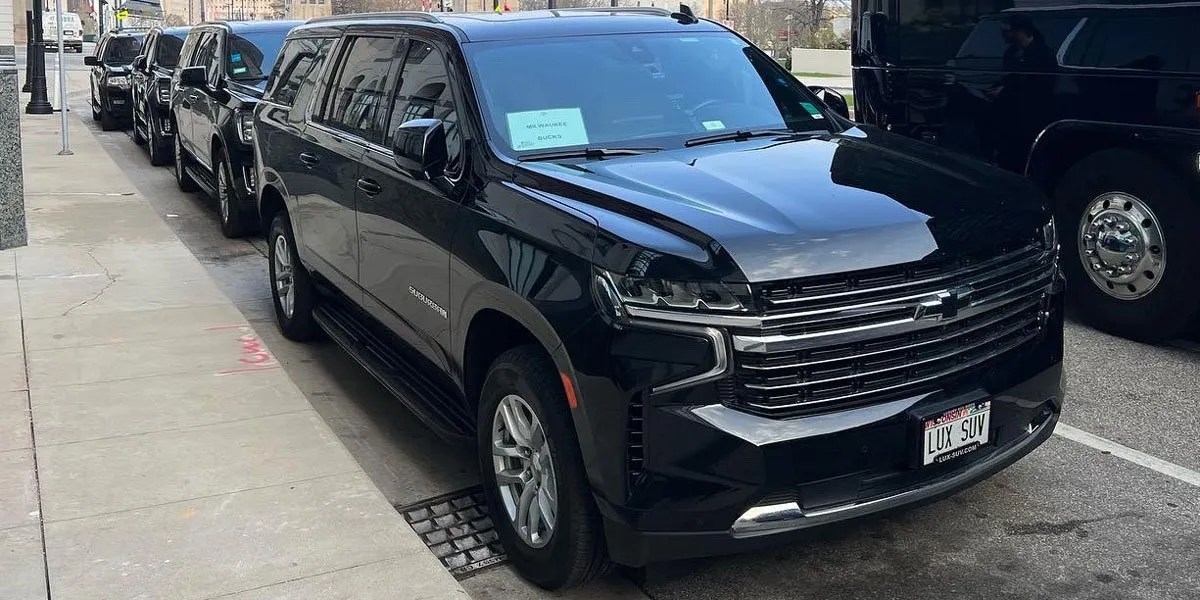
Commercial livery insurance is available for sedans, SUVs, town cars, stretch limousines, sprinter vans, transit vans, and passenger buses. The vehicle must be registered commercially in the name of your business entity. Personal vehicle registration does not qualify for a commercial livery policy.
What Happens If My Insurance Lapses?
If your commercial auto insurance lapses, your insurer is required to notify the CPUC. The CPUC can then suspend or revoke your TCP permit. Operating with a suspended TCP permit is illegal and can result in significant fines, vehicle impoundment, and difficulty obtaining a new permit in the future. Maintaining continuous coverage is not optional — it is a condition of holding a TCP permit.
Get a Quote Today
Whether you are getting your TCP permit for the first time or you already have your number and need coverage, we specialize in commercial auto insurance for California livery operators. We shop multiple carriers to find the best rate that meets CPUC requirements. Contact us for a free, no-obligation quote.