Is a Black Car Business Still Worth Starting in California?
The short answer is yes — and the opportunity is larger than most people realize. While rideshare platforms like Uber and Lyft dominate the consumer market, the corporate and premium ground transportation market in California operates on an entirely different model. Corporate clients, entertainment industry executives, high-net-worth individuals, and travelers who value reliability and discretion book directly with licensed black car operators — not through an app. This market is less price-sensitive, more loyal, and far more profitable per trip than rideshare.
The barrier to entry is real — you need a TCP permit, commercial insurance, a properly registered vehicle, and a legitimate business entity — but that barrier is exactly what keeps the market from being flooded with competition. Once you are licensed and operating, you have a defensible position that casual rideshare drivers cannot replicate.
Step 1: Understand the Legal Requirements
Operating a black car service in California without a TCP (Transportation Charter Permit) issued by the California Public Utilities Commission is illegal. This is not a gray area. The CPUC actively enforces this requirement, and the penalties for operating without a permit include fines, vehicle impoundment, and a permanent bar from obtaining a permit.
The TCP permit process involves forming a business entity, enrolling in the DMV Pull Notice program, commercially registering your vehicle, obtaining commercial auto insurance, completing drug testing, and submitting the application to the CPUC. The total process takes 4–8 weeks and costs approximately $800–$1,500 in startup expenses (not including ongoing insurance premiums).
Step 2: Choose and Register Your Business Entity
An LLC (Limited Liability Company) is the most common and recommended structure for black car operators in California. It provides personal liability protection — meaning your personal assets are shielded if your business is sued — while remaining relatively simple and inexpensive to maintain. The California Secretary of State charges a $70 filing fee for an LLC, and standard processing takes 3–5 business days online.
You will also need to obtain an EIN (Employer Identification Number) from the IRS, which is free and instant online, and open a dedicated business bank account. Keeping your business finances separate from personal finances is both a legal best practice and a requirement for maintaining your LLC's liability protection.
Step 3: Get Your Vehicle Right
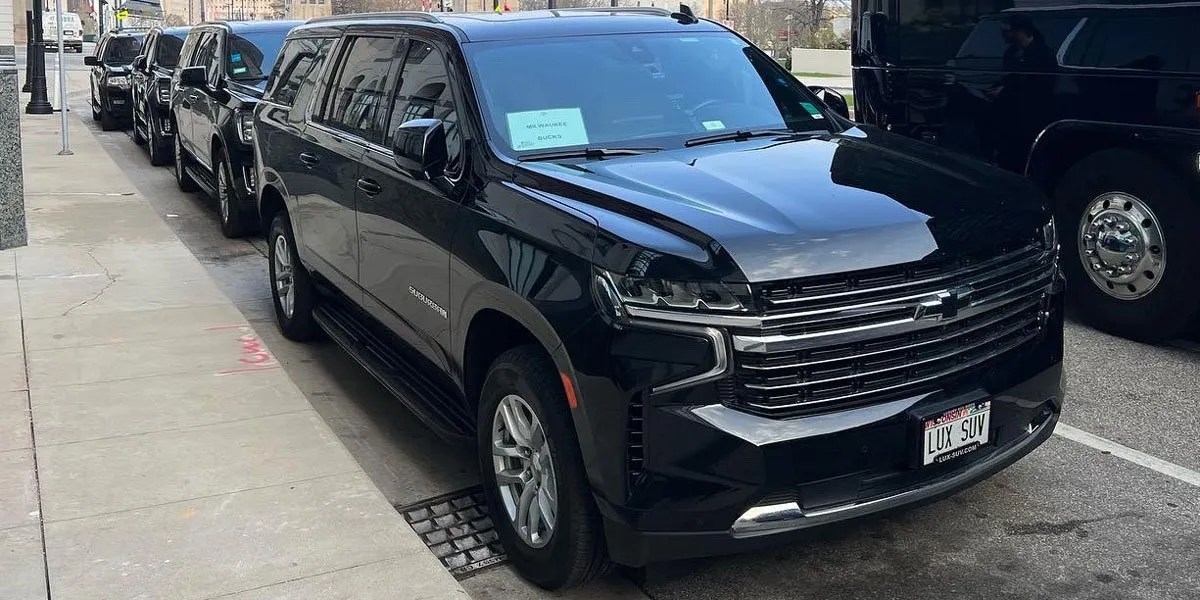
Your vehicle must be registered commercially in the name of your business — not as a personal vehicle. It must also meet CPUC safety and inspection requirements. The most popular vehicles for black car operations in California are the Cadillac Escalade, Lincoln Navigator, Chevrolet Suburban, Mercedes-Benz S-Class, and Lincoln Town Car. For corporate work, a clean, well-maintained late-model luxury sedan or SUV is the standard expectation.
If your vehicle is currently financed and registered personally, you will need to coordinate with your lender and the DMV to re-register it commercially. This process varies depending on your lender's policies, so address it early.
Step 4: Get Licensed and Insured
Once your business is formed and your vehicle is commercially registered, you need to complete the remaining TCP permit requirements: DMV Pull Notice enrollment, commercial auto insurance, and drug testing. These steps must be completed in coordination with each other, and the order matters. Working with a specialist who knows the CPUC process can save you significant time and prevent costly mistakes.
Step 5: Build Your Client Base
The most reliable path to consistent revenue for a new black car operator is corporate accounts. A single corporate account with a mid-sized company can generate 10–30 trips per month at rates significantly higher than consumer bookings. Target local businesses, law firms, accounting firms, medical practices, and entertainment companies in your area.
Hotel concierge relationships are another high-value channel. Luxury and business hotels regularly refer guests to trusted local operators. Introduce yourself to the concierge desk at the best hotels in your market — bring business cards and a rate sheet.
Online presence matters more than most new operators realize. A professional website, a Google Business Profile, and consistent reviews on Google and Yelp are the foundation of organic lead generation. Clients searching for "black car service [city]" or "corporate transportation [city]" should find you easily.
What Can You Earn Running a Black Car Business in California?
Revenue varies widely depending on your market, vehicle type, client mix, and hours worked. A single-vehicle operator in a major California market (Los Angeles, San Francisco, San Diego) working full-time can realistically generate $5,000–$12,000 per month in gross revenue. After vehicle costs, insurance, fuel, and maintenance, net income typically ranges from $3,000–$7,000 per month for a disciplined operator. Multi-vehicle operations scale proportionally.
Ready to Get Started?
The most important first step is getting your TCP permit and commercial insurance in order. Everything else — finding clients, building your reputation, growing your fleet — follows from being legally licensed and operating. Contact us for a free consultation and we will walk you through exactly what you need to do and connect you with the right specialists.