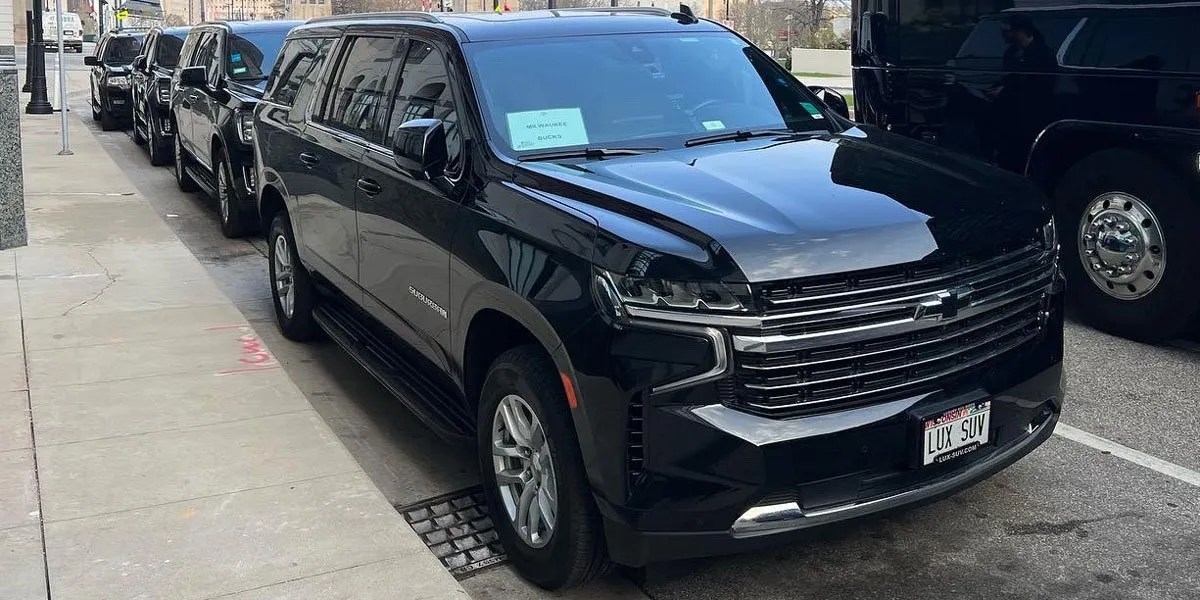
What Is a California TCP Permit?
A TCP (Transportation Charter Permit) is a license issued by the California Public Utilities Commission (CPUC) that authorizes a business to legally operate as a charter-party carrier in California. If you plan to transport passengers for compensation — whether as a black car service, limousine company, sedan operator, sprinter van service, or any other for-hire ground transportation business — you are required by California law to hold a valid TCP permit before you carry a single paying passenger.
Operating without a TCP permit exposes you to significant legal risk: fines, vehicle impoundment, and a permanent bar from obtaining a permit in the future. The CPUC actively enforces this requirement, and the penalties are not trivial.
Who Needs a California TCP Permit?
Any business that transports passengers for compensation using a prearranged service in California needs a TCP permit. This includes black car and sedan services, limousine companies, sprinter and shuttle operators, corporate transportation companies, and airport car services. Rideshare drivers operating under Uber or Lyft do not need their own TCP permit — they operate under the TNC (Transportation Network Company) permit held by the platform. But if you operate independently, accept bookings directly from clients, or run your own livery business, a TCP permit is required.
The 7 Steps to Getting Your California TCP Permit
Step 1: Register Your Business Entity (1–5 Business Days)
Before you can apply for a TCP permit, you must operate under a registered California business entity. The CPUC accepts LLCs, corporations, and sole proprietorships, but an LLC is the most common and recommended structure for livery operators because it provides personal liability protection while remaining relatively simple to maintain.
To form an LLC in California, you file Articles of Organization with the California Secretary of State. Standard processing takes 3–5 business days online. You will also need to obtain an EIN (Employer Identification Number) from the IRS, which is free and can be done instantly online.
Important: Do not skip this step or try to apply as an individual without a registered business. The CPUC will reject your application.
Step 2: Enroll in the DMV Pull Notice Program (1–3 Weeks)
The DMV Employer Pull Notice (EPN) program allows the DMV to automatically notify you when a driver in your company has a change in their driving record — a license suspension, a new violation, or an accident. The CPUC requires all TCP applicants to be enrolled in this program before they will process your application.
To enroll, you submit Form INF 1100 to the DMV along with a list of all drivers. The DMV will issue you a Requestor Code, which you include in your TCP application. This step is one of the most common delay points in the entire process — the DMV is frequently backlogged, and processing can take 2–4 weeks. Start this step the same day you register your business entity.
Step 3: Register Your Vehicle Commercially
Your vehicle must be registered as a commercial vehicle in the name of your business — not as a personal vehicle in your own name. This is a hard requirement. If your vehicle is currently financed and registered personally, you will need to re-register it commercially before proceeding.
The process for commercial vehicle registration varies depending on the vehicle's weight, type, and whether it is already registered in California. Speak with a specialist before attempting this step, as there are specific requirements that vary by situation.
Step 4: Obtain Commercial Auto Insurance (Same Day – 3 Business Days)
The CPUC requires proof of commercial auto insurance meeting minimum liability limits before issuing a TCP permit. For vehicles carrying fewer than 8 passengers, the minimum is $750,000 per occurrence. For larger vehicles, higher minimums apply.
This must be a commercial auto policy specifically written for livery or charter operations — your personal auto insurance policy explicitly excludes commercial use and will not qualify. Your insurer must file a Certificate of Insurance (Form E) directly with the CPUC.
Step 5: Complete Drug and Alcohol Testing (1–3 Business Days)
The CPUC requires enrollment in a DOT-compliant drug and alcohol testing program. You must use a CPUC-approved testing facility, and your results must be transmitted correctly to the PUC. This step is straightforward but requires using an approved facility — not just any testing center.
Step 6: Submit the TCP Application to the CPUC
Once your business is registered, DMV enrollment is complete, your vehicle is commercially registered, insurance is bound, and drug testing is done, you can submit the TCP application to the CPUC. The application fee is $300, paid to the state. The CPUC typically takes 2–4 weeks to process a complete application.
Step 7: Receive Your TCP Number
Once the CPUC processes your application and verifies all requirements, your TCP number is issued. You are now legally authorized to operate as a charter-party carrier in California. Keep your insurance active and your DMV enrollment current — both are ongoing requirements for maintaining your permit.
How Much Does a California TCP Permit Cost?
The CPUC application fee is $300, but the total cost of getting licensed includes several other required steps. Here is a realistic breakdown of what to expect:
| Item | Estimated Cost |
|---|---|
| CPUC TCP Application Fee | $300 (one-time) |
| LLC Formation | $70–$500 |
| DMV Pull Notice Enrollment | $3–$10/driver/year |
| Drug Testing | $40–$80 per driver |
| Commercial Auto Insurance | $500+/month |
| Total Startup Range | $800–$1,500+ |
How Long Does the Process Take?
The total timeline from starting the process to receiving your TCP number is typically 4 to 8 weeks. The DMV Pull Notice enrollment is the most common bottleneck. Working with an experienced consultant who knows the process can help you avoid the common mistakes that add weeks to the timeline.
Get Help With Your TCP Permit Application
Navigating the TCP permit process on your own is possible, but the number of coordinated steps — and the specific order in which they must be completed — means that mistakes are common and costly. We connect California livery operators with experienced specialists who handle the entire process and coordinate all the moving parts. Contact us for a free consultation.