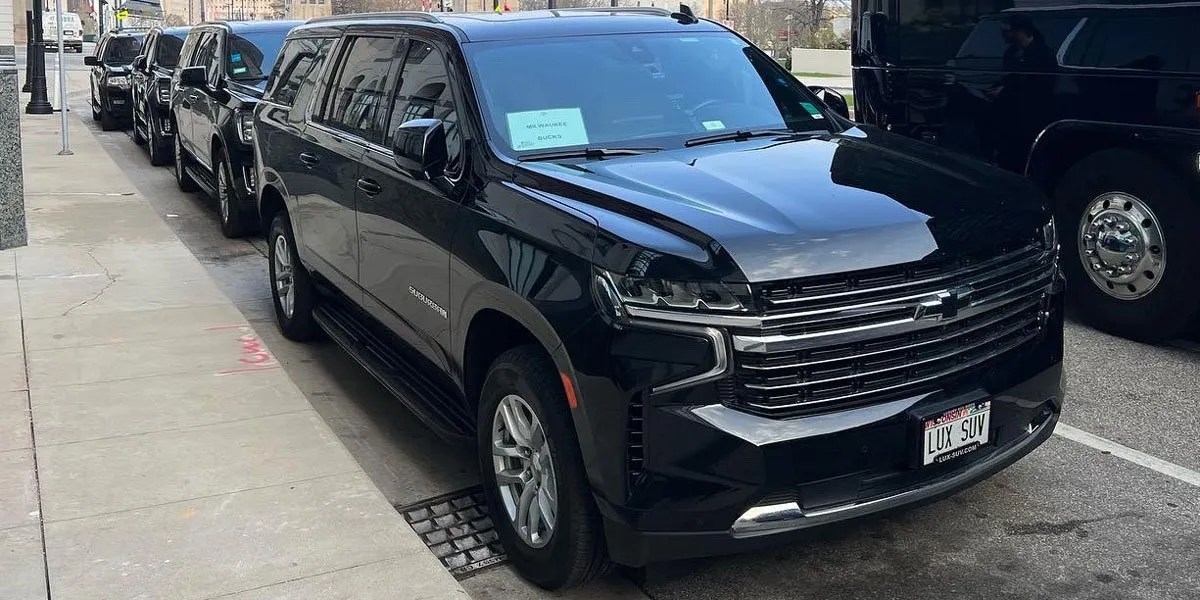
The Bay Area Livery Market: Opportunity and Competition
San Francisco and the greater Bay Area represent one of the most lucrative livery markets in California. The combination of SFO — a major international airport with consistently high passenger volume — Silicon Valley's dense concentration of technology companies with large corporate travel budgets, luxury hotels in downtown San Francisco and along the Peninsula, and a professional population that values reliable, high-quality ground transportation creates sustained demand for professional livery services.
The Bay Area market skews toward professional, well-equipped operators, and corporate clients in particular will verify your TCP permit and insurance before placing business with you. Getting properly licensed and insured is not just a legal requirement in this market — it is a prerequisite for accessing the most valuable clients.
What Is a TCP Permit and Why Do Bay Area Operators Need One?
A TCP (Transportation Charter Permit) is a license issued by the California Public Utilities Commission (CPUC) that authorizes your business to legally operate as a charter-party carrier in California. Every for-hire ground transportation company operating in San Francisco and the Bay Area — black car services, limousine companies, sedan and SUV operators, sprinter van services, corporate shuttle operators — is required by California law to hold a valid TCP permit.
The Bay Area has active enforcement of TCP permit requirements, particularly around SFO and major corporate campuses. Operating without a valid TCP permit in San Francisco exposes you to fines, vehicle impoundment, and permanent disqualification from obtaining a permit. For operators targeting corporate accounts and hotel partnerships — the most valuable clients in this market — proof of a valid TCP permit is typically required before any business relationship can begin.
Bay Area-Specific Considerations for TCP Applicants
While the TCP permit process is administered statewide by the CPUC, there are several Bay Area-specific factors that applicants should be aware of. First, SFO ground transportation rules: San Francisco International Airport has its own permitting requirements for commercial ground transportation operators in addition to the state TCP permit. If you plan to pick up passengers at SFO, you will need to comply with SFO's specific requirements, which include an SFO ground transportation permit and compliance with their designated staging areas and dispatch procedures. The TCP permit is a prerequisite for the SFO permit, so start there first.
Second, San Francisco city registration: The City and County of San Francisco requires its own business registration through the SF Office of the Treasurer and Tax Collector, in addition to your state LLC or corporation registration. Third, Bay Area vehicle considerations: Many Bay Area corporate clients specifically request hybrid or electric vehicles due to sustainability commitments — operators with eco-friendly fleets often have a competitive advantage in this market.
Step-by-Step: Getting Your TCP Permit in San Francisco
Step 1: Register Your Business Entity
Register a California LLC or corporation through the California Secretary of State's website ($70 state filing fee, 3–5 business days online). You will also need a federal EIN from the IRS (free, at IRS.gov) and a San Francisco Business Registration Certificate from the SF Office of the Treasurer and Tax Collector. The SF business registration fee starts at $91 for new businesses based on estimated gross receipts.
Step 2: Enroll in the DMV Pull Notice Program
Submit Form INF 1100 to the DMV to enroll in the Employer Pull Notice program. The CPUC requires proof of enrollment before processing your TCP application. In the Bay Area, the San Jose and Oakland DMV offices often have shorter processing times for commercial transactions than the San Francisco office. Start this step immediately after registering your business.
Step 3: Register Your Vehicle Commercially
Your vehicle must be registered as a commercial vehicle in the name of your business entity. Bay Area DMV offices can process commercial vehicle registrations, but scheduling an appointment in advance is strongly recommended to avoid long wait times.
Step 4: Obtain Commercial Auto Insurance
The CPUC requires commercial auto insurance with a minimum of $750,000 per occurrence in liability coverage. In the Bay Area, rates for a single-vehicle operator typically start at $500+ per month depending on vehicle type, coverage limits, and driving record. If you plan to operate at SFO, confirm with your insurer that your policy covers airport operations — some policies have specific exclusions for airport pickups and drop-offs. We specialize in commercial auto insurance for California livery operators and can ensure your policy is structured correctly for Bay Area operations, including SFO compliance.
Step 5: Complete Drug Testing
Enroll in a DOT-compliant drug and alcohol testing program at a CPUC-approved testing facility. There are multiple approved facilities throughout the Bay Area, including locations in San Francisco, Oakland, San Jose, and the Peninsula. Confirm that the facility is familiar with CPUC submission requirements before scheduling your test.
Step 6: Submit the TCP Application
Once all prerequisites are complete, submit the TCP application to the CPUC with the $300 application fee. The CPUC processes complete applications in approximately 2–4 weeks. Ensure every required document is included and accurate before submitting — incomplete applications are returned and restart the processing timeline.
Commercial Auto Insurance for Bay Area Livery Operators
Insurance is a significant operating cost for Bay Area livery operators. The CPUC's $750,000 per occurrence minimum is the floor, not the ceiling — many corporate clients and hotel accounts require $1 million or more as a condition of doing business with you. Physical damage coverage (comprehensive and collision) is also strongly recommended for any vehicle you are using commercially in the Bay Area. Parking in San Francisco and dense urban areas carries real risk of vehicle damage, and a damaged vehicle means lost income as well as a repair bill.
We work with multiple carriers that specialize in California livery insurance and understand the specific requirements of Bay Area operations, including SFO compliance. If you already have your TCP permit and are looking for coverage — or looking to switch to a better rate — contact us for a free quote.
Already Have Your TCP? Just Need Insurance in the Bay Area?
If you already hold a California TCP number and are operating in San Francisco or the broader Bay Area and just need commercial auto insurance, we can help you get covered quickly. We understand the CPUC requirements, the SFO ground transportation rules, and the Bay Area market. Contact us for a free consultation — coverage can often be bound the same day or next business day.
Get Started
Whether you are starting from scratch and need your TCP permit, or you already have your permit and need insurance for your Bay Area livery operation, we are here to help. The initial consultation is completely free. Use the form on this page or call us directly to get started today.