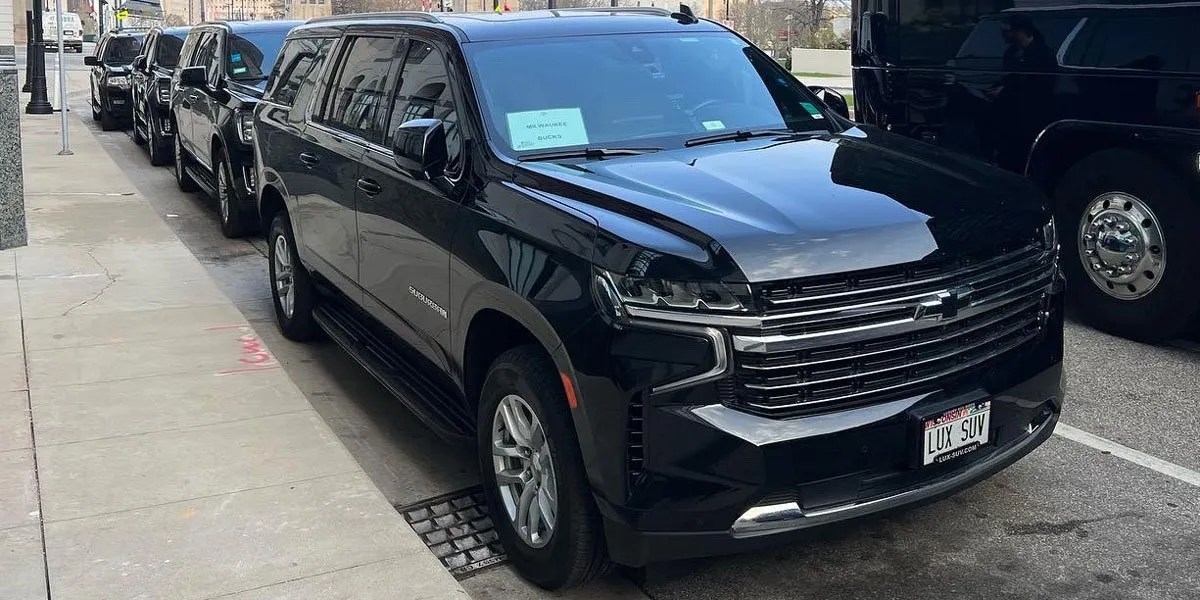
The following is a full transcript of the Commercial Auto Insider video "California Livery Insurance Explained — What You Need and Why." Watch the video above or read the full transcript below.
Introduction
Today we're talking about commercial auto insurance for California livery operators. This is one of the most misunderstood parts of running a black car or livery business, and I see operators make costly mistakes in this area all the time. So I'm going to break it down clearly — what you need, why you need it, what it costs, and what happens if you get it wrong.
Why Personal Auto Insurance Won't Work
Let's start with the most important thing: your personal auto insurance will not cover you when you're carrying paying passengers. This is not a gray area. Every personal auto insurance policy in California contains an explicit exclusion for commercial use. The moment you accept payment for a trip, you are operating commercially, and your personal policy can — and will — deny any claim that arises from that trip.
I've talked to operators who thought they were covered because they had "full coverage" on their personal policy. Full coverage means comprehensive and collision on a personal policy — it has nothing to do with commercial use. If you're in an accident while carrying a paying passenger under a personal policy, you are uninsured for that accident. The financial exposure is enormous.
What the CPUC Requires
The California Public Utilities Commission requires all TCP permit holders to maintain commercial auto liability insurance with a minimum of $750,000 per occurrence for vehicles carrying fewer than 8 passengers. For larger vehicles — sprinters, mini-coaches, buses — the minimums are higher.
Your insurer must file what's called a Form E — a Certificate of Insurance — directly with the CPUC. This is how the CPUC knows you have the required coverage. Your insurer handles this filing, but you need to confirm it's been done. If the CPUC doesn't have a current Form E on file for your TCP number, your permit can be suspended.
What Does a Livery Policy Actually Cover?
A commercial livery policy covers several things. The required coverage is commercial auto liability — this pays for bodily injury and property damage to third parties if you cause an accident. This is what the CPUC mandates and what Form E certifies.
Beyond liability, most operators also carry physical damage coverage — comprehensive and collision — which covers damage to your own vehicle. This isn't required by the CPUC, but it's strongly recommended for any vehicle you're using commercially. A damaged vehicle means lost income, not just a repair bill.
You can also add uninsured and underinsured motorist coverage, medical payments coverage, and non-owned vehicle coverage if your drivers sometimes use their own vehicles for your business.
How Much Does It Cost?
Rates vary a lot depending on your vehicle, your driving record, your experience, and where you operate. For a single-vehicle operator in California with a clean record, you're typically looking at $500+ per month. Luxury vehicles and stretch limousines cost more to insure. Operators in high-traffic markets like Los Angeles also tend to pay more than operators in smaller cities.
The best way to find a competitive rate is to work with a specialist who writes livery policies regularly and can shop multiple carriers. A general insurance agent who writes one or two livery policies a year is not going to get you the best rate.
Already Have Your TCP Number?
If you already have your TCP number and you're just looking for insurance — or you're looking to switch to a better rate — the process is straightforward. We can usually bind coverage and get you proof of insurance the same day or within a couple of business days. Your insurer then files the Form E with the CPUC, and you're good to go.
What Happens If Your Insurance Lapses?
If your insurance lapses, your insurer is required to notify the CPUC. The CPUC can then suspend your TCP permit. Operating with a suspended permit carries the same penalties as operating without a permit — fines, impoundment, and potential difficulty getting reinstated. Maintaining continuous coverage is not optional.
Get Covered
If you need commercial auto insurance for your California livery operation — whether you're just getting started or you've been operating for years — head to CATCPHelp.com. We specialize in this niche, we know the CPUC requirements, and we can get you covered quickly at a competitive rate. The link is in the description. Thanks for watching.